
How to evaluate gold and silver coins before selling
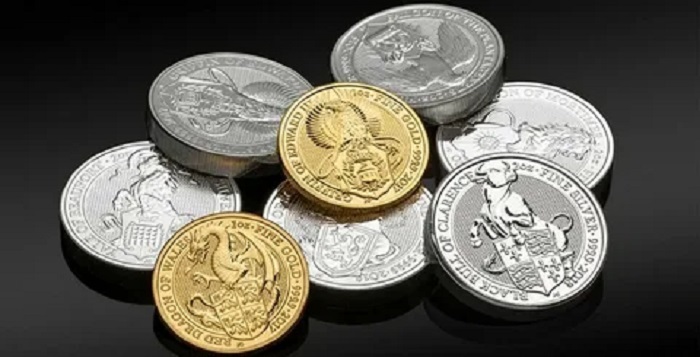
Gold and silver coins can be valuable for different reasons. Some are worth mainly for their precious-metal content, while others may have additional value because of rarity, age, condition, mint marks, or collector demand. For anyone who has inherited coins, found an old collection, or kept bullion for years, it is important to understand how coins are usually evaluated before selling.
A coin’s value is not always obvious from appearance alone. A shiny coin may have little precious-metal content, while an older coin that looks worn may still be worth more than expected because of its date, mint, or scarcity. Before accepting an offer, sellers should understand the main factors that influence price.
Bullion Coins vs. Collectible Coins
The first step is understanding the difference between bullion coins and collectible coins.
Bullion coins are usually valued mainly for the metal they contain. Their price is closely connected to the current market value of gold, silver, platinum, or another precious metal. Examples may include modern gold or silver bullion coins, bars, and rounds.
Collectible coins, also called numismatic coins, may be worth more than their metal value. Their price can depend on rarity, condition, demand among collectors, historical interest, and whether the coin has been professionally graded.
Some coins fall into both categories. For example, a gold coin may have strong metal value and also have collector value if it is rare or in excellent condition.
Metal Content and Purity
Precious-metal content is one of the most important parts of coin evaluation. Gold and silver prices change daily, so the same coin may receive a different offer depending on current market conditions.
A buyer will usually consider:
- What metal the coin contains
- The coin’s purity
- Its weight
- The current market price
- Whether the coin is authentic
- Whether it has collector value beyond the metal
Not every gold-colored or silver-colored coin contains significant precious metal. Some coins may be plated or made from base metals. Proper identification and testing can help determine what the coin actually contains.
Why Condition Matters
Condition can make a major difference, especially for collectible coins. A rare coin in excellent condition may be worth significantly more than the same coin with scratches, heavy wear, cleaning marks, or damage.
Sellers should avoid cleaning coins before an evaluation. Cleaning may seem helpful, but it can reduce value by damaging the surface. Even if a coin looks tarnished or old, it is usually better to leave it unchanged until a knowledgeable buyer or evaluator reviews it.
For bullion coins, small marks may matter less because the value is often based mostly on metal content. For collector coins, condition can be one of the biggest pricing factors.
Dates, Mint Marks, and Rarity
Two coins that look very similar can have very different values because of the year or mint mark. A mint mark shows where the coin was produced. Some years and mint locations had lower production numbers, making those coins more desirable to collectors.
When evaluating a coin, a buyer may check:
- The year
- Mint mark
- Coin series
- Denomination
- Production numbers
- Known key dates
- Collector demand
This is why sellers should avoid assuming that all old coins are valued the same way. Small details can make a meaningful difference.
Graded and Certified Coins
Some coins are professionally graded and sealed in protective holders. These are often easier to evaluate because the holder identifies the coin and grade.
However, grading does not automatically mean a coin is highly valuable. The coin still needs market demand, rarity, and condition that collectors are willing to pay for.
If a seller has graded coins, original packaging, receipts, or inventory lists, those documents should be brought to the evaluation. They can help confirm details and make the process more transparent.
Questions to Ask Before Selling
Before selling coins or bullion, it is reasonable to ask how the offer was calculated.
Useful questions include:
- Is the coin being valued for metal content, collector value, or both?
- What metal does the coin contain?
- How was the weight measured?
- Was the current market price used?
- Does the date or mint mark affect the value?
- Was condition considered?
- Are there any fees or deductions?
- Is the evaluation free?
- Is there pressure to sell immediately?
A clear buyer should be able to explain the process in simple terms. If the offer is unclear, it may be worth getting another opinion.
Choosing Where to Sell Coins
Different places may evaluate coins differently. A pawn shop, coin shop, precious-metal buyer, and online buyer may each use a different process. The best option depends on the type of coins being sold.
Someone with bullion may want a buyer who clearly explains metal pricing. Someone with rare coins may need a buyer who understands collector value. Someone with a mixed collection should look for a place that can separate bullion value from potential numismatic value.
For example, people looking to sell coins and bullion in Tucson should choose a buyer who can evaluate gold, silver, bullion, and collectible pieces carefully instead of treating every item the same way.
Prepare Before the Evaluation
Sellers can make the process easier by organizing coins before the appointment.
It helps to:
- Keep sets together
- Bring receipts or grading documents
- Avoid cleaning the coins
- Separate gold, silver, foreign coins, and bullion
- Keep graded coins in their holders
- Make a basic list for larger collections
Preparation helps the seller understand what is being reviewed and makes it easier to compare offers.
Final Thoughts
Gold and silver coins can have value for several reasons. Some are worth mainly for their precious-metal content, while others may have collectible value because of condition, rarity, history, or demand.
Before selling, coin owners should learn the basics of metal content, weight, purity, condition, mint marks, and grading. A transparent evaluation helps sellers understand what they own and make a better decision before accepting an offer.