


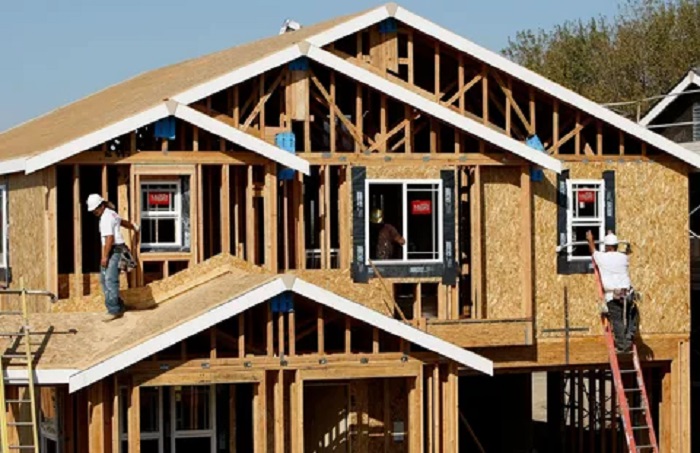
Architectural features of house construction in Texas: climate, materials, and standards
Residential architecture in Texas is shaped by the intersection of climate, topography, and cultural traditions: from the Spanish colonial heritage of the south to the more restrained forms of the north. Here, not only the aesthetics of the façade are important, but also how the house “performs” in heat, heavy rain, and strong gusts of wind.
A practical approach to design is reflected in the choice of materials, layout, orientation, and engineering solutions. These nuances ultimately determine the comfort, durability, and cost to build a house in texas.
Climate and House Orientation: How Architecture Responds to Heat and Humidity
Most of Texas experiences a long hot season, and in some regions, the heat is compounded by coastal humidity or, conversely, the dryness of inland areas. Therefore, architectural solutions often aim to reduce heat gain and ensure efficient ventilation.
Layout and Shade as Part of the Design
Deep roof overhangs, covered verandas, and porches are common, creating shade and reducing overheating of walls and windows. In modern projects, this is supported by the layout: “daytime” rooms can be oriented to minimize direct sunlight during the hottest hours, while transitional spaces (vestibule, laundry, storage rooms) are used as buffer zones.
- Galleries and patios help organize outdoor living and reduce the cooling load on the premises.
- Zoning allows cooling of only the actively used areas, rather than the entire house at once.
- Cross-ventilation is supported by the thoughtful placement of windows and doors.
Windows, Double-glazed Windows, and Sun Protection
Glazing is one of the key factors in thermal comfort. Architecturally, this is expressed not only in the size of the windows, but also in how they are recessed, protected by awnings, shutters, or screens. In practice, energy-efficient double-glazed windows and solutions that reduce overheating while preserving natural light are used.
Summary: How to Choose a Foundation for Clay and Expansive Soils in Texas
A virtually reliable result is achieved only through a combination of engineering surveys + proper design + site moisture management. With identical initial data, the “cheapest” foundation often turns out to be the most expensive over the lifespan.
- A soil report determines the type of foundation, depth, reinforcement, and measures against moisture changes; Without it, choosing a foundation is a guesswork.
- A slab on ground is appropriate when calculations have been completed, reinforcements/ribs are provided, a correct pad is provided, and a stable water regime around the house is ensured.
- Pile-and-grillage solutions are preferable in cases of high potential soil mobility and heterogeneity, as well as in cases of increased risk of differential settlement.
- Water management (gutters, slopes, drainage if necessary) is a mandatory part of the system, otherwise even a correctly calculated foundation will perform under worse conditions.
- Note details (temperature-shrinkage joints, embedded parts, utility inputs, protection from capillary moisture) affect durability no less than the type of foundation.
- Record the initial data: geology, groundwater level, Topography, vegetation, presence of old backfill, and proximity of trees.
- Select a design scheme based on calculation results: slab/reinforced slab/piles with grillage (or combined solutions).
- Coordinate drainage and water drainage: organize stormwater drainage, ensure stable perimeter moisture, and prevent localized waterlogging and drying out.
- Check feasibility: ensure compaction quality, check concrete and reinforcement, maintain elevations, and protect utility lines from movement.
- Maintenance plan: monitor cracks, control drainage systems, and monitor perimeter soil during the first seasons of operation.
Summary: The best foundation for clayey and expansive soils in Texas is one that is designed for a specific site and complemented by a moisture control system; In this connection, the structure operates predictably, and the house maintains its geometry and service life.