


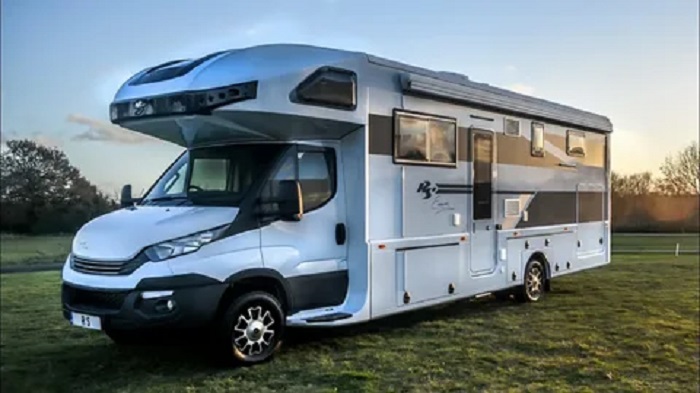
First RV trip: tips for comfort, safety, and peace of mind
The first trip in a motorhome can be an ideal way to see new places without being tied to hotels and schedules – if you plan the basics in advance: the route, parking spots, a supply of water and energy, as well as a list of essential little things for everyday life. When choosing an lsr 365 motorhome rental, pay attention not only to the price but also to the configuration: the presence of a kitchen unit, a shower, heating, air conditioning, and comfortable sleeping places – these are what determine how comfortable the journey will be.
To ensure a smooth journey, explore motorhome rental options and compare rental terms: mileage limits, insurance, security deposit, return rules, and on‑the‑road support. Before departure, do a short “test drive” of the motorhome’s systems (water, gas, electricity), distribute your belongings to storage locations, and plan the first days without overloading — this way you’ll get used to the format faster and be able to enjoy the trip from the very first kilometres.
Choosing a route with overnight stops: where to stay to get a good night’s sleep without overpaying
A comfortable first trip in a motorhome with motorhome rental insurance begins with a route where overnight stops are planned so that you don’t have to push yourself to the very end. It’s best to break the journey down into short daytime segments in advance and choose parking spots taking into account noise, lighting, and safety, not just prices and distance.
To avoid overpaying, it’s important to distinguish between “convenient” and “expensive”: paid campsites often provide showers, electricity, and quiet, but they aren’t always necessary every night. Combine different types of stops: some overnight stays should be at campsites for recovery and basic tasks, while others should be at simple parking lots without extra services, but in quiet locations.
Where to stay overnight
For good sleep, priority should be given to quiet and predictable conditions. The most reliable option is campsites and RV parks: they usually have noise regulations, well‑defined infrastructure, and level spots. If you choose to spend the night “on the move,” give preference to official rest areas and parking lots where overnight parking is permitted, and avoid places near highways, 24‑hour unloading zones, and bright signs.
Before stopping, assess several factors: noise level (roads, store air conditioners, railway), light (streetlights, shop windows), slope (even a slight incline can disrupt sleep), and signal quality if you plan to use navigation in the morning. A good rule is to arrive before dark so you can choose the quietest spot without rushing and avoid making a mistake with entry/exit.
- Campgrounds/RV parks are more expensive, but they offer quiet, a shower, and often electricity; they’re convenient for “recharging” every 2–3 nights.
- State/municipal campgrounds are often cheaper than commercial ones and offer a more pleasant environment, but spots may run out during the season.
- Official recreation areas – convenient for transit overnight stays, but choose locations that are far from the entrance/toilet and have less traffic.
- Parking lots with permitted overnight stays – suitable for one night, provided there are no noise sources nearby and you follow the rules.
How to save on overnight stays without sacrificing comfort
The main saving lies in the right route “grid”: plan expensive stops where they actually provide value. For example, set up a campsite for the evening, when you need to do laundry, replenish water supplies, charge your batteries, and get a good night’s sleep; and in between, choose simpler places where you’ll just spend the night and leave early. This way, you pay for the service when it’s actually needed, not “just in case.”
Reduce the risk of overpaying by being flexible: have 2–3 alternatives for each evening (the main one and backup options) so you don’t end up at the first expensive option you come across. If the prices are the same, choose a campsite with fewer factors that interfere with sleep: sometimes staying “a bit further from the city” saves both money and stress. It’s also useful to check the time restrictions, generator rules, and morning check‑out conditions in advance — fines and having to change your location at night are more expensive than any savings.
- Alternate between comfortable campsites and simple overnight stays: one “full‑fledged” campsite for several days of travel is often enough.
- Arrive early: the best and quieter spots are taken first, and late arrival often leads to worse sites.
- Compare based on value, not price: a shower, electricity, and quiet rules can make up for an extra day of rest after a bad night.
- Keep a time buffer: if you’re “close” to the dark, you’re more likely to agree to the expensive option.