


Studio vs. location: choosing the perfect backdrop for your DFW video
In the world of high-end video production, the “Where” is just as critical as the “What.” The environment surrounding your subject isn’t just background noise; it is a character in the story. It subconsciously signals budget, authority, and tone to your audience before a single word is spoken.
For DFW business leaders planning a commercial or corporate shoot, the decision often comes down to two distinct paths: Renting a professional, soundproof video studio in Dallas, or filming “on location” at your headquarters, a rented home, or a recognizable landmark like the Fort Worth Stockyards.
Both options have distinct advantages, but in North Texas, unique environmental factors, from the blistering 105-degree heat to the complex flight paths of two major international airports, play a massive role in the logistical success of your shoot. Here is a comprehensive guide to choosing the right environment for your next project.
1. The Case for the Studio: Control, Comfort, and Efficiency
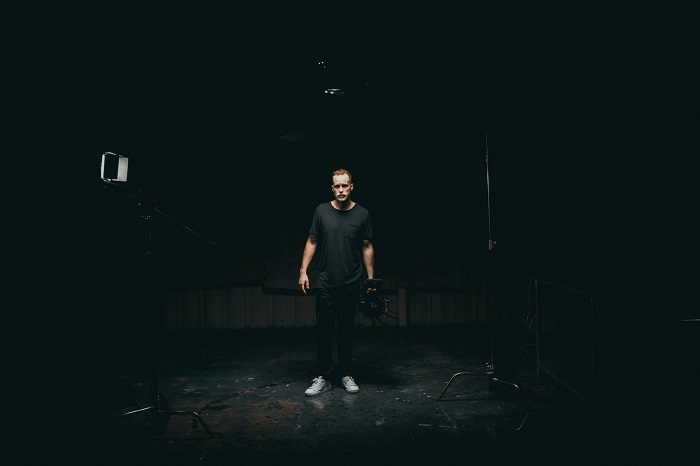
Renting a soundstage or studio is about one thing: Absolute Control. When you step into a studio, you remove the variables that cause production delays.
- The Audio Factor (The “Noise Floor”): DFW is a loud metroplex. Between the roar of jets from DFW International and Love Field, the rumble of traffic on I-635, and the hum of industrial AC units, finding true silence outdoors or even in a standard office building is nearly impossible. A professional soundstage offers a “zero noise floor.” This ensures your CEO’s audio is crisp, intimate, and free of the background hiss that screams “amateur production.”
- The Texas Weather Factor: Filming outside in July or August is a recipe for disaster. High humidity ruins hairstyles, heat causes actors to sweat through their wardrobe, and shifting cloud cover creates lighting continuity nightmares. A studio offers climate control, ensuring your talent looks as fresh at 5:00 PM as they did at 8:00 AM.
- Production Speed: Studios come equipped with a lighting grid. This means the crew can hang lights from the ceiling rather than setting up heavy stands on the floor. This allows for faster setups and scene changes, meaning you get more shots per day.
- The Blank Canvas: With a green screen studio or a “white cyc” (infinity wall), you can create any world you want in post-production. It focuses the viewer’s attention entirely on the subject and the message, with zero visual distractions.
- Best For: Executive interviews, intricate product demos, teleprompter-heavy scripts (where distractions break concentration), and training modules.
2. The Case for Location: Texture, Authenticity, and “Vibe”
While studios offer control, they can sometimes feel sterile or “placeless.” Filming on location brings Production Value through environmental storytelling.
- The “Million Dollar” Background: You can’t fake the kinetic energy of a busy trading floor, the depth of an active manufacturing warehouse, or the architectural beauty of a Klyde Warren Park high-rise. Real locations provide “texture”, brick, glass, steel, depth, that keeps the viewer visually engaged.
- Visual Psychology: Showing your actual headquarters or your team working in their real environment builds trust. It proves you are a real, tangible business with physical operations. A studio shoot can sometimes feel like a “set,” whereas a location shoot feels like a documentary.
- Neighborhood “Signaling”: Where you film tells a story about your brand’s identity.
- Deep Ellum/Bishop Arts: Signals creativity, grit, and youth.
- Uptown/Victory Park: Signals finance, luxury, and modern success.
- The Stockyards: Signals heritage, Texas pride, and legacy.
- Legacy West/Frisco: Signals tech innovation and corporate scalability.
- Best For: “About Us” brand films, lifestyle commercials, customer testimonials, and recruitment videos where the “culture” is the selling point.
3. The “Hybrid” Approach: The Office Takeover
If you want the authenticity of a location but the control of a studio, consider the “Office Takeover.” This is the middle ground favored by many corporate clients.
- The Strategy: We don’t just point a camera in a conference room. We “dress” the set. An Art Director will clear the clutter, bring in plants to add life, paint a back wall to match your brand colors, and use practical lamps to create warmth.
- The Depth Trick: A professional crew will position the subject far away from the background (not right up against a wall). This allows the camera to blur the background (bokeh), hiding the fact that it’s just a standard office while keeping the “vibe” of the workplace.
- The Trade-Off: This saves the cost of a studio rental ($1,000 – $2,500/day) but requires you to shut down a portion of your office. Can your team work quietly for 8 hours? If the answer is no, the money you save on rental might be lost in audio delays.
4. The Hidden Factor: Managing DFW’s Airspace
One specific challenge in Dallas is the airspace. If you are filming outdoors or in a poorly insulated building near Love Field or DFW Airport, your audio will be compromised.
- The “Stop and Start” Reality: On a location shoot near an airport, the crew might have to cut every 3 minutes to wait for a Southwest 737 to roar overhead. This kills the momentum of an interview and can double the time it takes to get the shot.
- The Studio Advantage: Professional studios in these flight paths are built with sound-dampening insulation specifically to combat this frequency.
5. Logistics & Cost: The Apple-to-Apples Comparison
When budgeting, the costs shift depending on your choice.
Studio Costs (Fixed & Predictable):
- Rental Fee: $1,500 – $3,000/day (includes power, green room, makeup station).
- Efficiency: Fewer crew hours needed due to pre-rigged lights.
- No Travel: Crew stays in one spot.
Location Costs (Variable & Hidden):
- Permits: Filming in downtown Dallas often requires permits ($50+), parking waivers for crew trucks, and sometimes police officers for traffic control.
- Company Moves: Moving a crew from a location in Frisco to a second location in Fort Worth is not a “quick trip”, with traffic and pack-up time, it’s a 3-hour loss of productivity.
- Power: You may need to rent a “putt-putt” generator if the location doesn’t have accessible 20-amp circuits, adding $200-$500 to the budget.
Conclusion: Match the Location to the Message
The decision shouldn’t just be about budget; it should be about the message.
If your video is about precision, detail, and specific information (like a software demo or a CEO statement), choose a studio. The lack of distraction ensures the audience listens to every word.
If your video is about culture, energy, scale, and emotion (like a recruiting ad or a brand anthem), go on location. The imperfections of the real world add the texture that makes the story feel true.
The best Dallas video production companies won’t just ask “Studio or Location?” They will scout both options for you, helping you balance the creative need for “vibe” with the technical necessity of clean audio and lighting.