


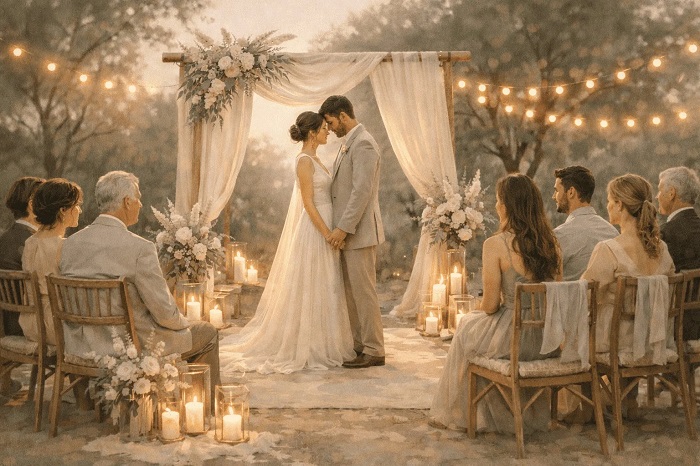
Wedding photography trends in 2026: capturing moments that feel real
In 2026, wedding photography is undergoing a meaningful shift—one that reflects a broader cultural change in how people experience and remember important moments. The era of perfectly staged, overly polished wedding albums is gradually giving way to something more honest, more human, and ultimately more powerful: authenticity.
Today’s couples are no longer looking for perfection—they are looking for truth.
The Rise of Documentary-Style Storytelling
Modern wedding photography is increasingly inspired by documentary and journalistic approaches. Instead of directing every pose or orchestrating every frame, photographers are stepping back and allowing the day to unfold naturally. The result is a visual story that feels alive.
Moments like a quiet glance before the ceremony, spontaneous laughter during speeches, or even the subtle chaos behind the scenes are no longer edited out—they are embraced. These are the details that couples want to remember years later, because they reflect how the day actually felt.
This shift also changes the role of the photographer. Rather than being a director, they become an observer—someone who anticipates emotion instead of staging it.
Inspired by Social Platforms, But Moving Beyond Them
Visual platforms like Instagram and Pinterest continue to shape wedding aesthetics. Couples scroll through endless inspiration—soft lighting, cinematic tones, motion blur, and imperfect framing that somehow feels more real than traditional compositions.
But something interesting is happening: while trends are discovered on these platforms, couples are becoming more selective. Instead of copying styles directly, they are blending influences into something personal. The goal is no longer to recreate a viral image—but to create something that feels uniquely theirs.
Motion, Emotion, and the Power of Imperfection
One of the standout trends in 2026 is the embrace of movement. Slight blur, wind in the dress, dancing mid-frame—these elements add energy and authenticity. Photos don’t have to be technically perfect to be emotionally perfect.
Cinematic lighting is also playing a bigger role, inspired by film rather than traditional photography. Shadows, contrast, and dramatic tones are used intentionally to create mood and depth, turning simple moments into visual stories.
The Growing Role of Video
Photography is no longer standing alone. Video has become an essential part of how couples capture their wedding day.
Platforms like YouTube have made wedding films more accessible than ever, allowing couples to explore storytelling techniques before choosing their photographer or videographer. They are not just looking for highlight reels—they want narratives, emotion arcs, and moments that unfold over time.
This has led to a stronger integration between photo and video teams, often working together to ensure a cohesive visual language throughout the event.
Niche Platforms and Curated Inspiration
While large platforms dominate discovery, more focused sources are gaining importance. Websites like Bemazal provide curated insights tailored specifically to weddings, helping couples cut through the noise.
These niche platforms often showcase real weddings, authentic stories, and practical examples—making them especially valuable for couples who want clarity rather than overwhelm.
A Shift That Reflects Something Deeper
At its core, this trend is not just about photography—it’s about values.
Couples in 2026 are prioritizing connection over presentation, meaning over appearance, and memory over performance. They understand that years from now, what will matter most is not how perfectly they posed, but how deeply they felt.
The role of wedding photography, therefore, becomes more meaningful than ever: not to create a version of the day that looks perfect—but to preserve it exactly as it was.
Raw, emotional, imperfect—and unforgettable.