


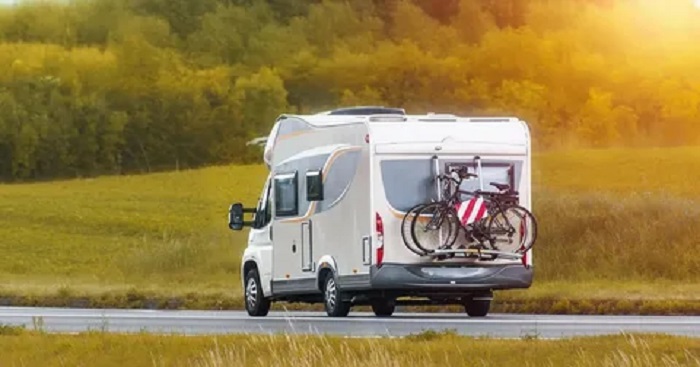
How to get the most out of your RV trip: practical tips for a more comfortable journey
Traveling in a campervan is the quintessential freedom. You’re not tied to train schedules, hotel reservations, or resort boundaries. Your home moves with you, allowing you to wake up to the sound of the surf in one location and fall asleep in the mountains the next day.
Planning Your First Campervan Trip
The first step to a comfortable vacation is an honest answer to the question: who’s going, where, and for how long. If you’re planning a weekend trip for two, your requirements will be minimal. But if you’re traveling with two children and a dog for two weeks, the logistics become much more complex.
When planning your route, consider the specifics of a campervan: you don’t need the narrow streets of historic centers, but wide access roads to campsites or authorized campsites. Be sure to allow for extra travel time. The average speed of a campervan is lower than that of a car due to its weight and wind resistance. Consider fresh water refills, greywater drains, and toilets—these are critical components that determine your schedule more than sightseeing.
Choosing the Right Motorhome for Your Trip
Size matters. A huge American Class A motorhome will provide luxurious comfort, but will be a nightmare when trying to find parking in Old Europe or navigate a mountain road. For short trips on good roads, compact vans, where the living space is combined with the driver’s cabin, are ideal. They are maneuverable and fuel-efficient.
If you’re just trying this type of vacation and aren’t ready to invest in equipment, a motorhome rental for a trip is the optimal solution.
What to Consider Before a Long-Term Motorhome Vacation
You’ll need to become an expert in water management: take quick showers, wash dishes in a basin, and monitor battery levels. Particular attention should be paid to the bathroom. It’s important to learn in advance how to use a chemical toilet in a motorhome, how to add special deodorizing liquids, how to properly empty cassettes to avoid odors, and how to conserve flush water.
For trips lasting two weeks or more, consider a long-term motorhome rental. Rental companies often offer discounted rates for monthly rentals, which is significantly cheaper than daily rates. A good heating system is also essential for long-term use.
Practical things to know before you hit the road
Daily checklist:
- Load balancing.
- System monitoring.
- Resource conservation.
- Organization. There’s no room for unnecessary things.
RVing is a skill that improves with every kilometer.