


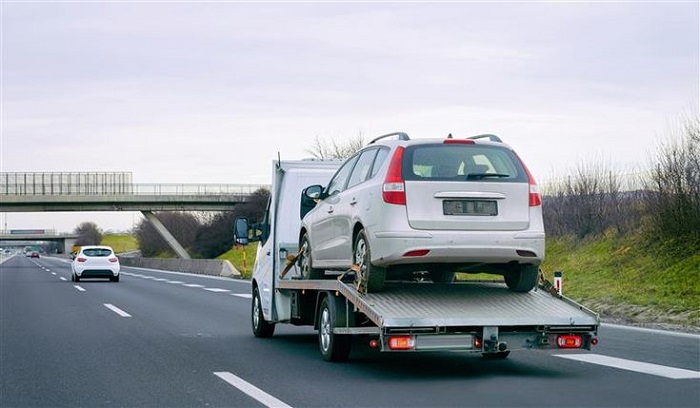
Rules and tips for securing a vehicle to a tow truck for safe transportation
Proper vehicle lashing is essential for safe and secure vehicle transportation on a tow truck. Securing your vehicle properly ensures its safety, prevents damage, and minimizes risks during transport. Following basic rules and using appropriate lashing equipment significantly increases transportation safety and reduces the likelihood of accidents.
Additional information about vehicle lashing on https://mtstowing.ca/ will help you better understand the process and familiarize yourself with recommended methods. Proper preparation and proper lashing are key to a successful lashing and protecting your vehicle.
Securing Your Vehicle to a Tow Truck: Rules and Tips
Before beginning the process of lashing your vehicle to a tow truck, it is important to thoroughly prepare and select the appropriate methods. Secure lashing ensures safe transportation and prevents possible damage to both the vehicle and surrounding road users.
Proper lashing also promotes compliance with traffic regulations and reduces the risk of unpleasant situations along the route. Below are effective methods and recommendations for securing your vehicle.
Effective Vehicle Securing Methods for Safe Transportation
One of the most common and reliable methods is the use of special belts with tensioners. These belts provide tight and adjustable tension, allowing you to secure your vehicle as securely as possible. It is important to check their condition before transport and regularly during the journey. In addition to belts, we recommend using strong chains or cables secured to the vehicle’s designated points designated by the manufacturer.
When securing your vehicle, follow the correct sequence and technique. Start with the front of the vehicle and gradually move to the rear, tightening each belt or chain in turn. Remember to check the tension and stability of the tie-down after securing all points. Use additional fasteners or blocks to prevent the vehicle from shifting during transport.
Securing a Vehicle to a Tow Truck: Rules and Tips
When selecting lashing straps for transporting a vehicle, it’s important to consider their quality, durability, and compliance with technical requirements. Choose straps made of durable materials that can withstand significant loads to ensure safe transportation. It’s also recommended to look for certificates and compliance certificates confirming product safety and reliability.
Proper placement of lashing straps on the vehicle plays a key role in preventing damage and ensuring the stability of the transported vehicle. Generally, it’s recommended to use at least four straps, securing them to strong points on the body or frame. Avoid securing straps to parts that could be damaged by tension or movement. The straps should be positioned to distribute the load evenly, preventing the vehicle from becoming distorted or shifting during transport.
Selection and Position of Lashing Straps
The choice of straps depends on the load capacity and weight of the vehicle being transported. Straps with metal snap hooks, which allow for quick attachment and removal, are preferred. It is recommended to use belts with a locking system that prevents spontaneous slack.
The placement of the belts must comply with certain rules:
- The front of the vehicle must be secured to strong points on the frame or body, avoiding plastic and fragile parts.
- The tie-down straps are placed symmetrically to evenly distribute the force and prevent deformation of the body.
- The rear belts are secured to the frame or other rigid elements, following the recommendations of the vehicle and tow truck manufacturer.
When installing the belts, it is important to ensure their tension – they should be as tight as possible, but without excessive pressure, to avoid damage to the vehicle or belts during transport.
Efficiently securing the vehicle to the tow truck is essential not only for the safety of the vehicle but also for the overall safe transportation. Following the rules and using high-quality equipment will minimize the risk of damage and ensure the successful delivery of your vehicle to its destination.