


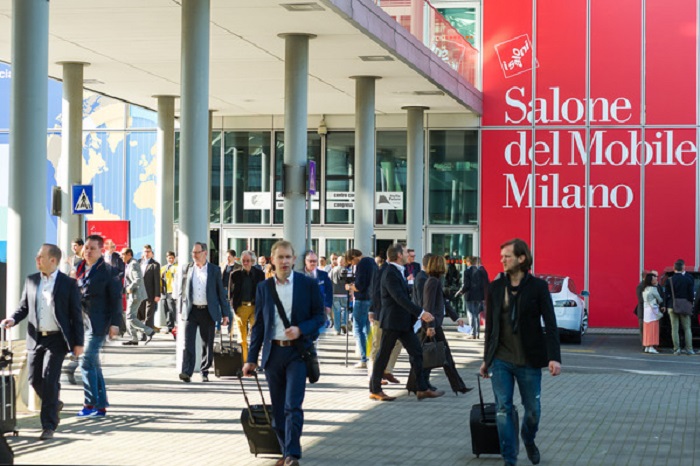
Salone del Mobile Milano 2025
Salone del Mobile Milano 2025 confirmed what the global design community has been sensing for several years: furniture is no longer just about form and function. It is about experience, emotion, responsibility, and storytelling. The world’s most influential design event returned to Milan not as a static exhibition, but as a living, breathing reflection of how we want to inhabit spaces in an era of rapid change.
More than a trade fair, Salone del Mobile has evolved into a cultural compass. In 2025, it spoke clearly and confidently about comfort, sustainability, craftsmanship, and the deep human need for spaces that feel authentic. Milan once again became the place where ideas were tested, boundaries were stretched, and the future of interiors was quietly — and sometimes boldly — written.
A New Chapter for a Legendary Design Event
The 2025 edition of Salone del Mobile felt noticeably more focused and intentional. Instead of overwhelming visitors with excess, the fair embraced clarity and narrative flow. Exhibitions were curated to encourage slower exploration, thoughtful engagement, and emotional connection with objects.
Designers and brands seemed less interested in spectacle for its own sake and more invested in long-term relevance. Many collections presented at Salone 2025 were not radical experiments, but refined evolutions — evidence that the industry is maturing and responding to real-world needs rather than chasing fleeting trends.
This shift marked a new chapter for Salone: one where design is measured not by how loudly it speaks, but by how deeply it resonates.
The Core Themes That Defined Salone del Mobile 2025
Comfort Beyond Ergonomics
Comfort was the dominant language of Salone 2025, but not in a purely physical sense. Soft forms, generous proportions, and enveloping silhouettes were everywhere, yet the deeper message was emotional well-being. Furniture was designed to calm, ground, and reassure.
Sofas invited lingering, chairs encouraged relaxed postures, and beds became sanctuaries rather than statements. This approach reflected a collective desire for interiors that support slower living and mindful routines — a response to years of instability and overstimulation.
Sustainability as a Quiet Standard
One of the most notable changes at Salone del Mobile Milano 2025 was how sustainability was presented. It was no longer highlighted as a selling point or marketing claim. Instead, it was embedded into materials, production methods, and design logic.
Designers worked with recycled metals, regenerated plastics, responsibly sourced woods, and low-impact textiles as a matter of course. Circular design principles — durability, modularity, repairability — were treated as essential, not optional.
This quiet confidence signaled a turning point: sustainability is no longer a trend. It is the baseline.
Craftsmanship in a Contemporary Voice
Traditional craftsmanship returned to the spotlight at Salone 2025, but not in a nostalgic way. Artisanal techniques were reinterpreted through modern forms and technologies, creating pieces that felt both rooted and current.
Hand-finished surfaces, visible joinery, and tactile materials reminded visitors that imperfection can be a form of beauty. These details added depth and soul to objects, standing in contrast to anonymous mass production.
The renewed respect for craft reflected a broader cultural shift toward authenticity and transparency.
Color, Texture, and Sensory Design
If previous years leaned heavily toward neutral minimalism, Salone del Mobile Milano 2025 reintroduced color with confidence. Warm earth tones, deep greens, muted blues, and refined reds created interiors that felt lived-in rather than staged.
Texture played an equally important role. Bouclé, wool, brushed wood, raw stone, and matte metals invited touch and interaction. Design was no longer something to observe from a distance — it was something to experience physically.
This emphasis on sensory richness aligned with the fair’s broader message: spaces should engage all the senses, not just the eye.
FuoriSalone: When the City Becomes the Exhibition
No conversation about Salone del Mobile is complete without mentioning FuoriSalone. During Design Week 2025, Milan itself became an open-air gallery. Historic buildings, courtyards, showrooms, and unexpected urban spaces hosted installations that blurred the line between art, design, and architecture.
FuoriSalone offered a more experimental and emotional counterpoint to the main fair. Emerging designers shared space with established studios, while interdisciplinary collaborations explored themes such as digital identity, sustainability, and future living.
This decentralized format reinforced Milan’s unique role in global design culture — not just as a host city, but as an active participant in creative dialogue.
Design That Reflects Real Life
Perhaps the most important takeaway from Salone del Mobile Milano 2025 was its realism. The objects presented were aspirational, but not detached from everyday life. Designers acknowledged smaller living spaces, hybrid work environments, and the need for flexibility.
Modular systems, multifunctional furniture, and adaptable layouts addressed how people actually live today. The home was no longer portrayed as a perfect showroom, but as a dynamic, evolving environment.
This practical elegance resonated strongly with both professionals and everyday design enthusiasts.
From Inspiration to Application
While Salone is known for setting trends, its true influence lies in how those ideas translate into real interiors. Materials, forms, and philosophies introduced in Milan often shape residential and commercial spaces worldwide for years.
For those looking to bridge the gap between high-level design inspiration and everyday interiors, platforms like SAYRUG reflect this evolution — where contemporary aesthetics meet craftsmanship and usability without losing authenticity.
The Human Story Behind the Objects
Beyond furniture and installations, Salone del Mobile 2025 highlighted the people behind the designs. Conversations, lectures, and informal encounters emphasized collaboration, cultural exchange, and shared responsibility.
Designers spoke openly about challenges: sourcing materials responsibly, balancing innovation with tradition, and creating products that last. This transparency strengthened trust between creators and audiences.
In many ways, Salone 2025 felt less like a marketplace and more like a community.
What Salone del Mobile Milano 2025 Tells Us About the Future
The message from Milan was clear. The future of design is not louder, faster, or more extravagant. It is calmer, smarter, and more human.
- Design will continue to prioritize emotional well-being.
- Sustainability will be assumed, not advertised.
- Craft and technology will coexist rather than compete.
- Spaces will adapt to people — not the other way around.
Salone del Mobile Milano 2025 did not attempt to predict the future. Instead, it reflected the present with honesty and intention — and that may be its greatest strength.
A Fair That Feels Like a Mirror
Salone del Mobile Milano 2025 proved that design is no longer about creating objects to impress. It is about creating environments that support real lives, real emotions, and real values.
In a world saturated with images and noise, Salone offered something quieter and more lasting: a reminder that good design begins with understanding how we live — and how we want to feel.